This week there's
not a lot of big releases worth noting, but there are some really interesting
albums out from artists who deserve much more attention from listeners. Surfer
Blood takes another step forward on their junior album 1ooo Palms and Crocodiles continue to explore new genres (Clash
infused reggae this go around) on Boys.
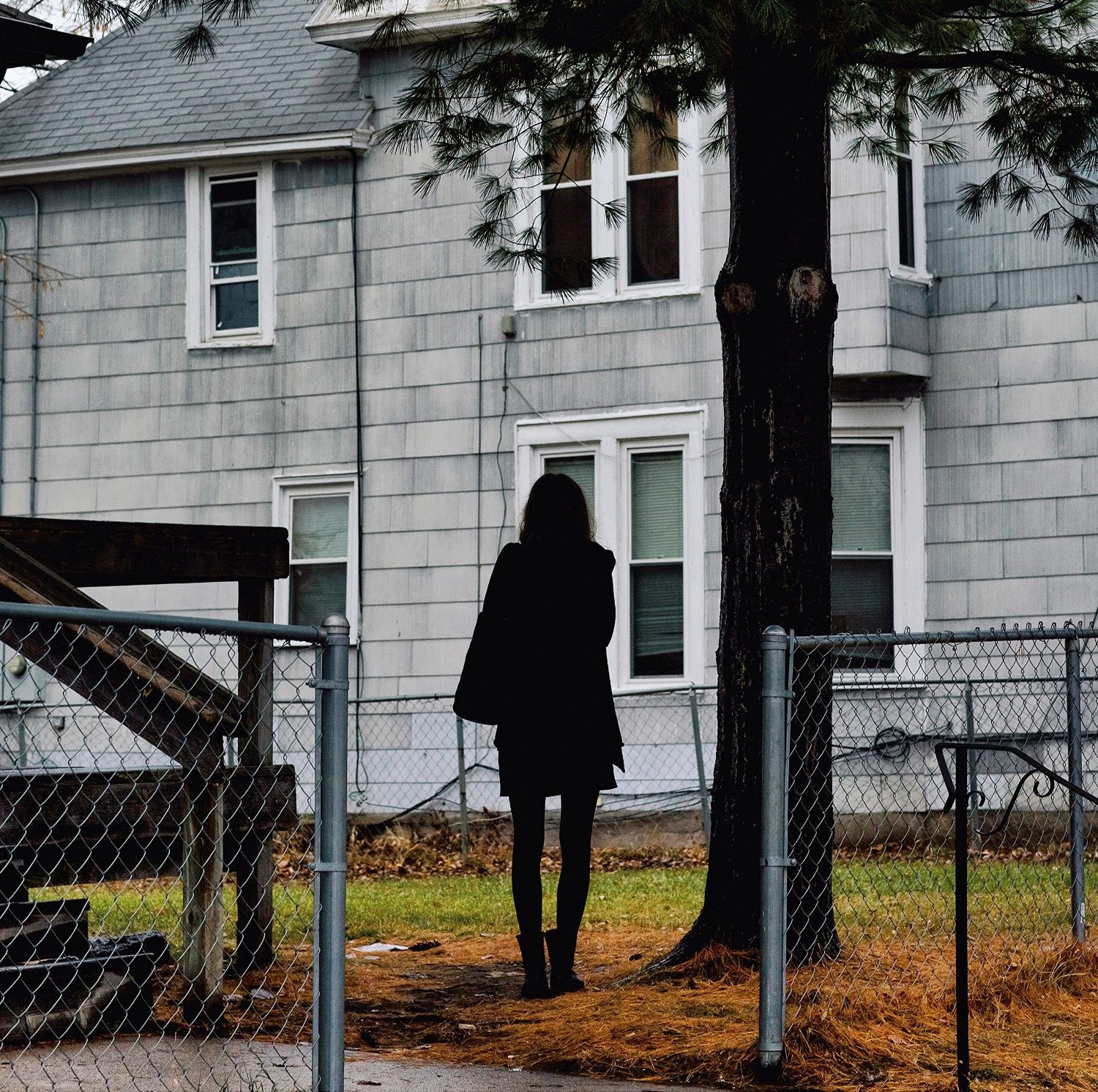
For my money though, the best release is The Tallest Man on Earth's latest, Dark Bird Is Home.
Kristian Matsson
has been quietly releasing lovely little acoustic rock gems as The Tallest Man
on Earth for a little under a decade, and while his albums have been
consistently pretty in an unassuming way, none of them have made much of a mark
on a large audience. Which is a shame really, because you'd be hard pressed to
find a musician who makes albums this reliably enjoyable, in any genre.
If you're
concerned that this is all a lead-up to me writing that Matsson makes some big
sonic left-turn here, breathe regular – he's still as capable as ever of using
an acoustic guitar to create shimmering landscapes of sound and voice. If anything,
he's gotten better at nearly everything he does, and Dark Bird is easily Matsson's hookiest album, and also features an
expansion in both sound and approach.
None of the
things he does here are particularly groundbreaking, and it's easy to pick out
Matsson's influences if you are so inclined. "Sagres" sounds like an
unused cut from Bruce Hornsby's The WayIt Is, and he taps into Bon Iver's backing vocals approach on opener
"Fields of Our Home." On the whole, the album sounds an awful lot
like last year's Lost In A Dream by
The War on Drugs, which is to say it sounds a lot like Tunnel of Love-era Springsteen. This is all to the good – Tunnel of Love is my second favorite
Springsteen, and Lost In A Dream was
one of the best albums of 2014. Matsson add his own spin to this snyth and
atmosphere-heavy approach by digging deeper into folk music than The War on
Drugs or Springsteen did on their albums.
Take the
aforementioned "Sagres," which uses the synths to give the song a
very Scottish lament vibe, or "Beginners," which sounds like early
(and folkiest) Bob Dylan.
Album highlight
"Singers" sounds like Matsson has taken the riff from Jackson
Browne's "These Days" and just slightly repurposed it, until a
saxophone starts adding soft touches about a third of the way through. I'm a
fan of the sax, but used improperly it can be an overpowering instrument (check
this delightful list of songs nearly ruined by saxes courtesy of The Onion's AV
Club). It's used perfectly here, and adds just the right amount of depth to the
song.
"Slow
Dance" may just be the most radio-ready song on any Tallest Man on Earth
album to date, and features some lovely guitar lines under the immediately
infectious driving riff. It also makes wonderful use of horns, and the whole
song comes out sounding like a perfect summer afternoon – I already added it to
my summer playlists, and I suggest you do likewise.
From a lyrical
standpoint, this album may be Matsson's brightest yet, despite the name. "Darkness
of the Dream" (a nod to The War on Drugs?) is a perfect example of this,
as Matsson extolls the benefits of resilience and power of determination over
some truly lovely guitar and piano work. It's an incredibly uplifting song
without crossing into sappiness or sentiment, and may well be one of Matsson's
most complete achievements to date.
The folk rock
vibe doesn't change throughout Dark Bird,
and I suppose for people hankering for a little more variety in their music,
the songs might be a little too similar to make any lasting impression. Spend a
little time with the album, however, and allow it to wrap you in its tones and
timbre, and you might just find it sounds like home.
Dark Bird Is Home is
out on Dead Ocean Records.

